England's Golf Coast: Off the Beaten Path
Lesser Known Courses that Belong on Your Itinerary

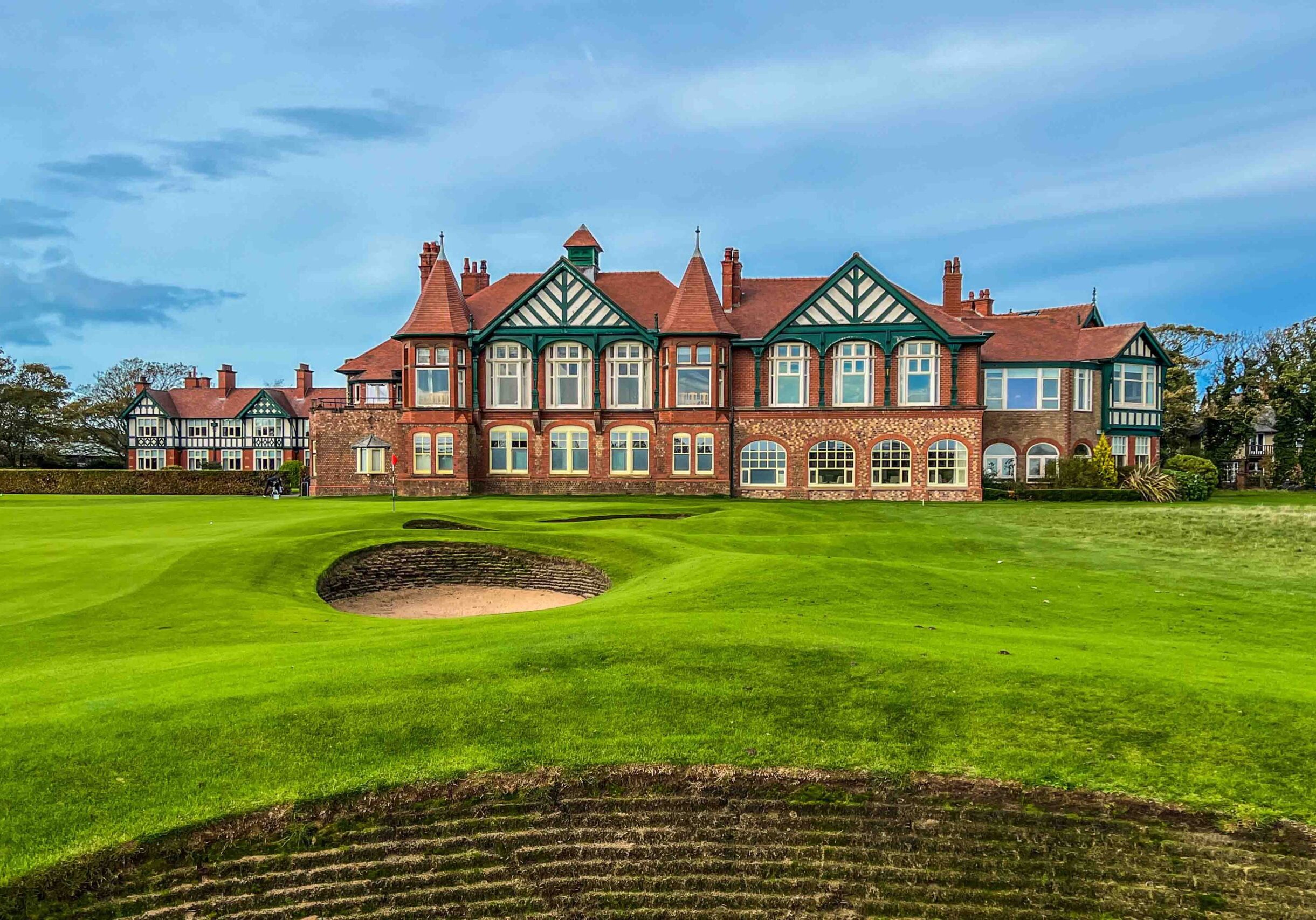
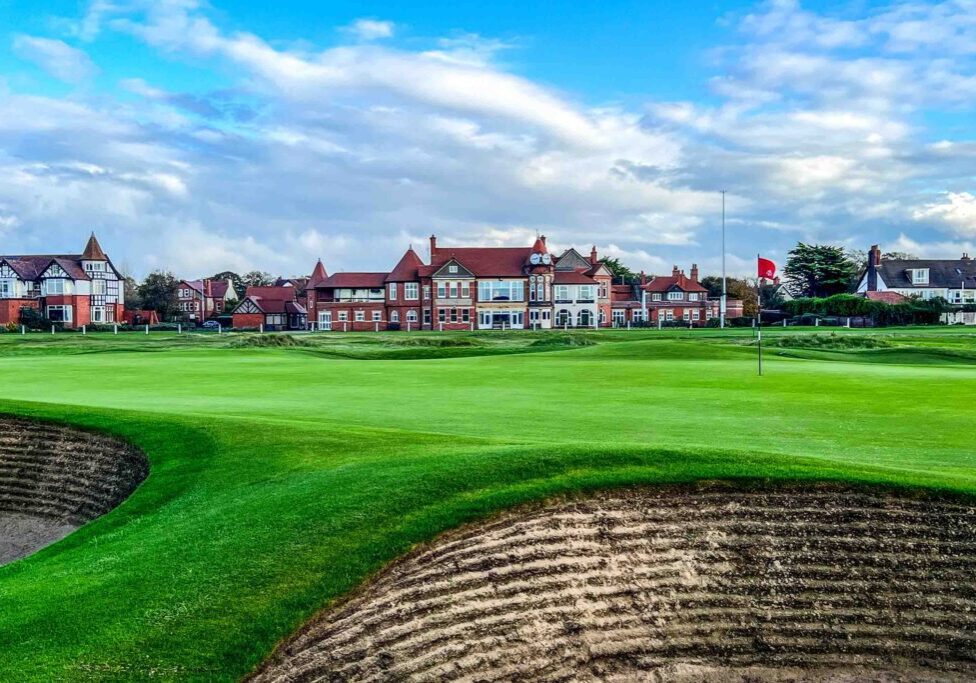
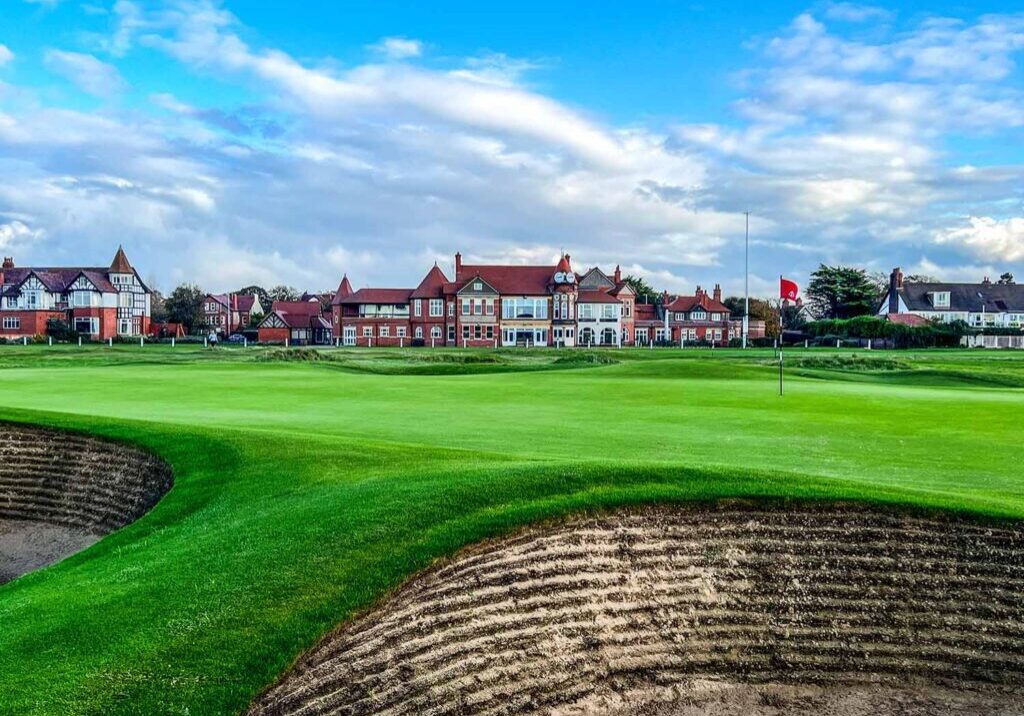
Along the northwest coast of England, three current Open Championship venues sit within a 90-minute drive of one another: Royal Birkdale, Royal Liverpool, and Royal Lytham & St Annes. Between them, they've hosted golf's oldest major over 30 times and crowned some of its greatest champions. Arnie, Tom, Seve, Tiger, Rory, and Jordan all won here.
Equally impressive is the fact that all three clubs will host The Open in a six year span (Royal Liverpool: 2023, Royal Birkdale: 2026, Royal Lytham: 2028). So if you’ve been thinking about a golf trip to England, the case is being made for you in real time.
And yet, the best part of that case is actually made beyond the Royals.
I recently returned from a week along England's Golf Coast with my colleague Chris McConn. We played seven courses across six days, and what kept coming up at dinner each night wasn’t a debate about which of the Royals was best. It was how good everything else was.
As my colleague Connor Evers said recently on our Golf and the Good Life podcast, "If you build a trip to England’s Golf Coast around just the three Royals, you're doing the area a disservice."
That tracks with what we consistently hear when our Members come home. When groups return from this area, the theme of the feedback often reads the same: “We loved the Royals, but the other courses were just as great.”
After a while, you stop being surprised by the sentiment and start listening to it.
Here are the five courses that earn their place alongside the Royals on Expeditions we craft to England’s Golf Coast. Or if you'd rather listen on-the-go, tune in to our deep-dive podcast on England's Golf Coast below.
West Lancashire Golf Club
West Lancashire is the club I’d join if I lived nearby.
It was the first round of our trip and I had no idea what to expect. I'd arrived ahead of the rest of my group, fresh off the plane and battling jet lag. The starter gave me a warm greeting and basically told me to do whatever I wanted before our tee time. So I chipped and putted on my own for a while and felt as though I'd been welcomed as a member. By the time the rest of the group rolled up, I had decided I could play West Lancs every day and never grow tired of it.
West Lancs is one of the oldest clubs in England, founded in 1873 by a group of Royal Liverpool members who wanted links golf on the other shore of the River Mersey. The current course was designed by C.K. Cotton, who also lent his hand to nearby Royal Lytham. Like both Hillside and Formby, West Lancs has served as both co-host of the Amateur Championship and a qualifying venue for The Open.
Out on the links, the greens are slightly raised and will repel off-line shots into places you do not want to be. You can blast away off the tee, but the course rewards thought more than distance, and the wind has a say on every shot. The sea also comes into view here more than most of the courses nearby.
If you are building an itinerary to England’s Golf Coast, West Lancs makes a perfect opening round. You arrive, you get your legs under you, and you are hosted by a club that treats you like a member before you’ve even entered the pro shop.
And at least for me, it set the tone for the entire week ahead.
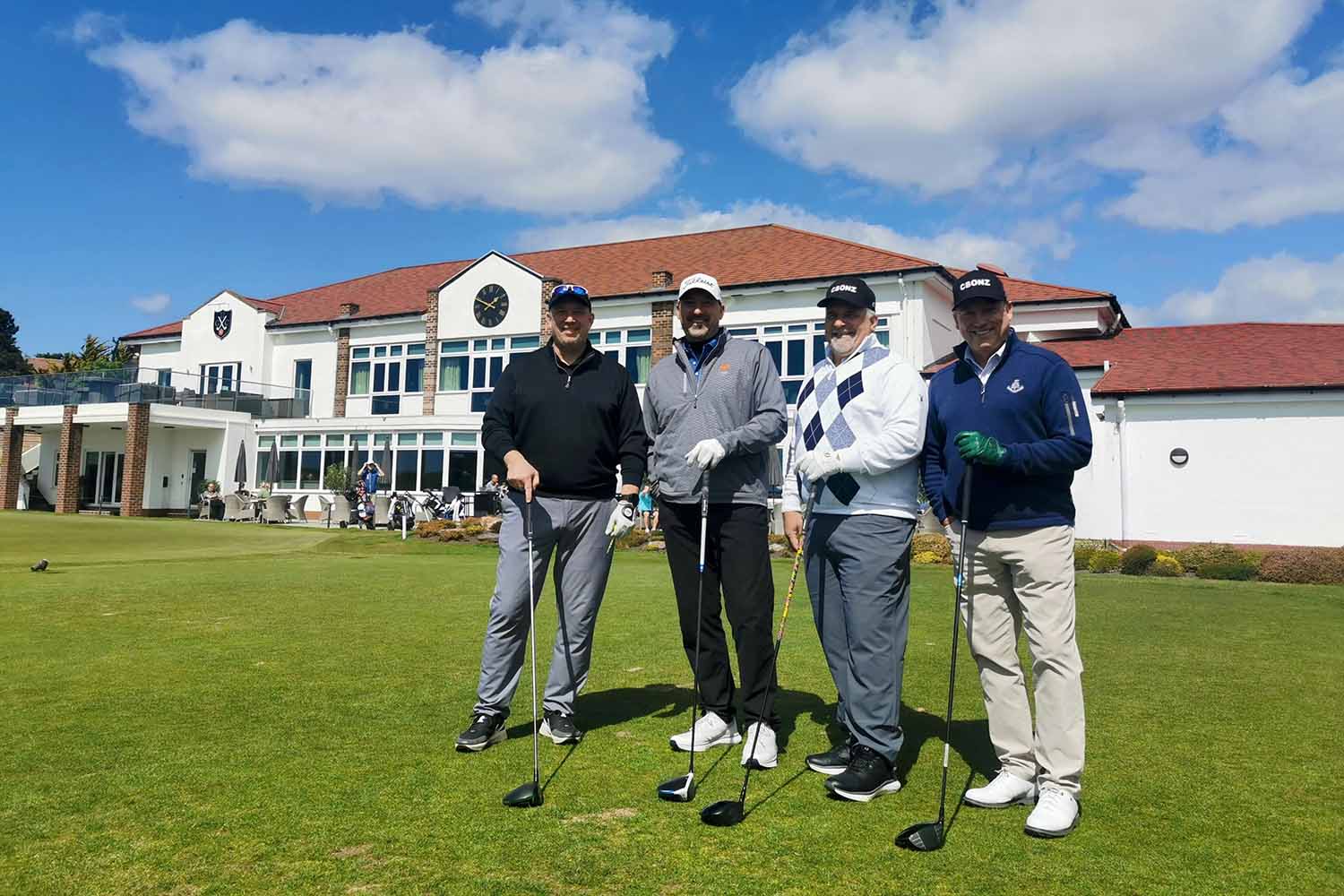
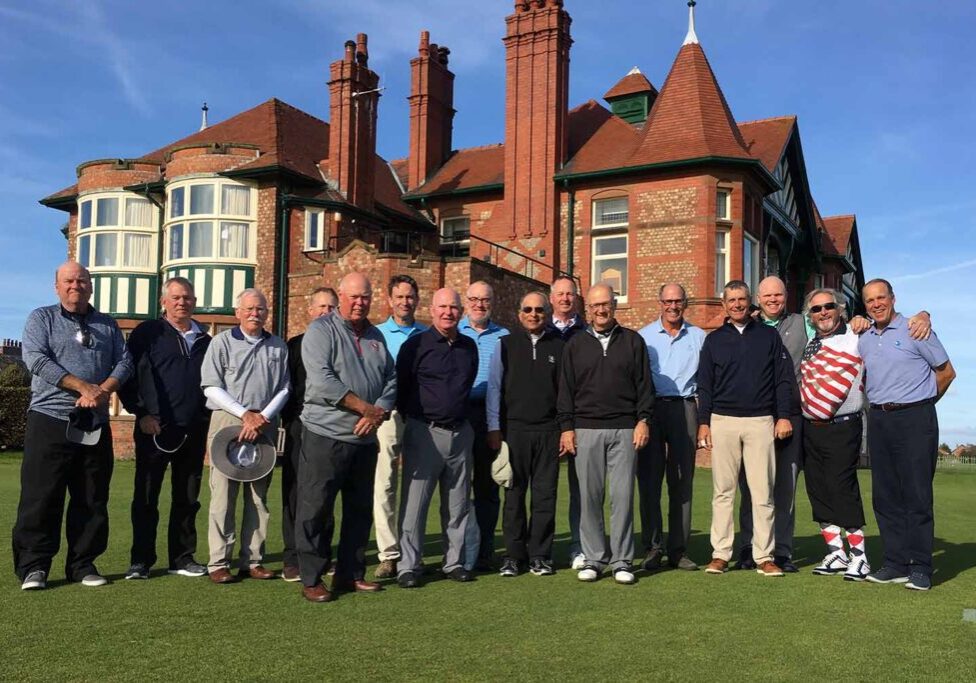
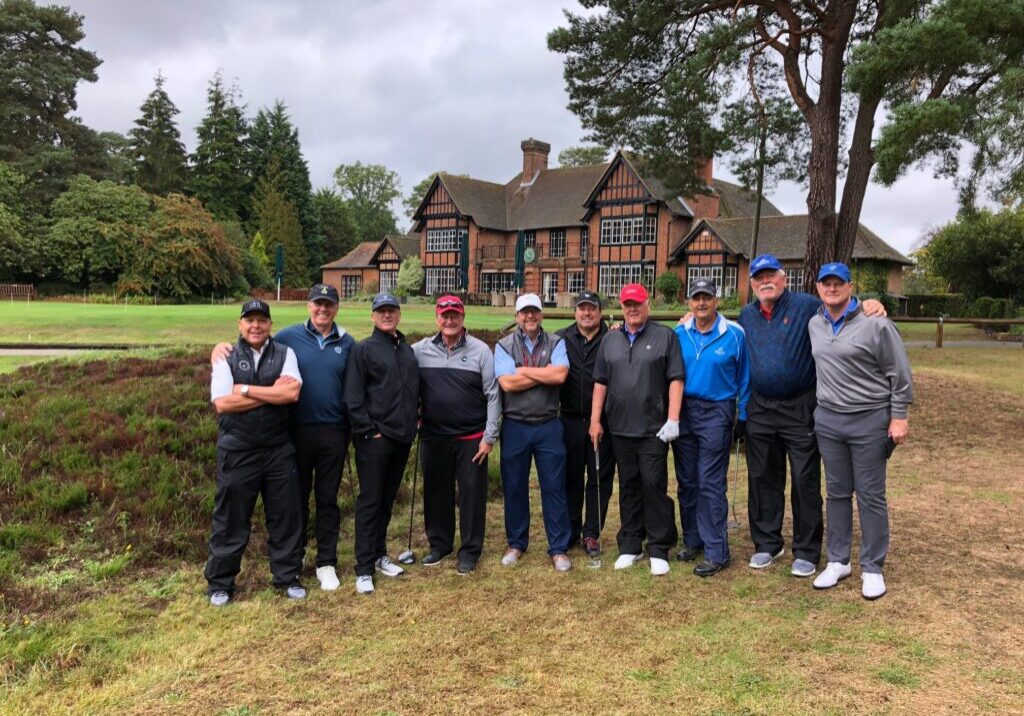
The Members of Boulder Ridge Country Club at Hillside Golf Club.
Hillside Golf Club
If any course in the area could plausibly join the Royals on The Open rota, it would be this one. Greg Norman called Hillside the best back-9 in Britain. Our Founder and Chairman, Sam Baker, thinks it’s actually the best closing twelve holes. I’m with Sam.
The 11th is a par-5 that falls away from a downhill tee toward a small, runoff surrounded green. It was my favorite par-5 of the entire week. One of the best I’ve played anywhere overseas. The 10th, the short par-3 that sets it up, is backdropped by dunes and can hold its own against anything you’ll see at Lytham or Birkdale. Sign me up for that two-hole stretch any day of the year!
Mackenzie & Ebert recently completed alterations on the front-9 to bring the opening half closer to the back’s standard. As Connor explained in this piece at Links Magazine, the subtlety of the front-9 is your opportunity to score before the roller coaster ride begins on the back.
Hillside has hosted plenty of championship golf in its own right. It’s a regular final-qualifying venue when The Open is nearby, and the Amateur Championship has been contested here twice.
But it's the feedback from a longtime friend of H&B in the Cincinnati golf community that speaks to the quality of Hillside.
“Hillside Golf Club was a great surprise to me and my favorite course on our trip. It was close to our lodging, caddies were great local members who provided tips on favorite pubs. The golf course was excellent. Could see Royal Birkdale from the top of the dunes.”
Larry Drehs, PGA – Hyde Park Golf & Country Club
After playing Birkdale the day before and all three Royals during the week, Hillside wasn't a throwaway round at the end. It was the favorite of the whole week.
Wallasey Golf Club
The Wallasey Golf Club was founded in 1891 by a group of Royal Liverpool members who had grown tired of the crowded Hoylake links.
It was here that Wallasey Member Dr. Frank Stableford invented the scoring system that bears his name, the format used by millions of club golfers every weekend without much thought given to where it came from. And it was here that Bobby Jones qualified for the 1930 Open Championship at Hoylake, while en route to his Grand Slam.
To commemorate the victory, Jones sat for a portrait that hangs in the Wallasey clubhouse to this day. A replica of that portrait hangs at Augusta National.
We did not play Wallasey on this particular trip. Six days could only accommodate so much. But for the golfer whose interest in the game runs deep into its history, Wallasey is one that shouldn't be missed.
“We all wanted to play The Open rota courses, but if you were to poll the guys on our trip, Hillside and Formby were just as good.”
Chandler Withington, PGA
Formby Golf Club
If judged by its architectural heritage alone, Formby Golf Club should land on every traveling golfer’s must-play list. Willie Park Jr., James Braid, Harry Colt, J.H. Taylor, Fred Hawtree, and Donald Steel all contributed in various degrees to the course that exists today. That's a roster that would make some of the best clubs in the world a little envious.
Like nearby Hillside, Formby has served as a host of the Amateur Championship and a final qualifying venue for The Open.
The clubhouse itself, lined with boards bearing the names of past champions and captains, is one of the best in the area. It’s also home to, of all things, a famous hippo. The full story is best heard inside the clubhouse, but allow yourself time to ask about it.
Formby was our closing round of the week. We played it on a gorgeous, clear Saturday and seemed to have the place to ourselves.
I really enjoyed the stretch of holes around the heart of the course. The links climbs to a peak on the par-5 8th, where you catch a glimpse of the Irish Sea in the distance. The 9th is the toughest par-4 on the course and one of my favorites in the region. If you placed it on any of the three Royals, it would be a highlight moment of the round.
As we made our way around the lesser-known courses on England's Golf Coast, that theme seemed to pop up repeatedly. At one point during our round at Formby, Chris McConn commented, "If this course was anywhere else, we'd route the entire trip around it. The fact that it's the 4th or 5th slot here is pretty unreal."
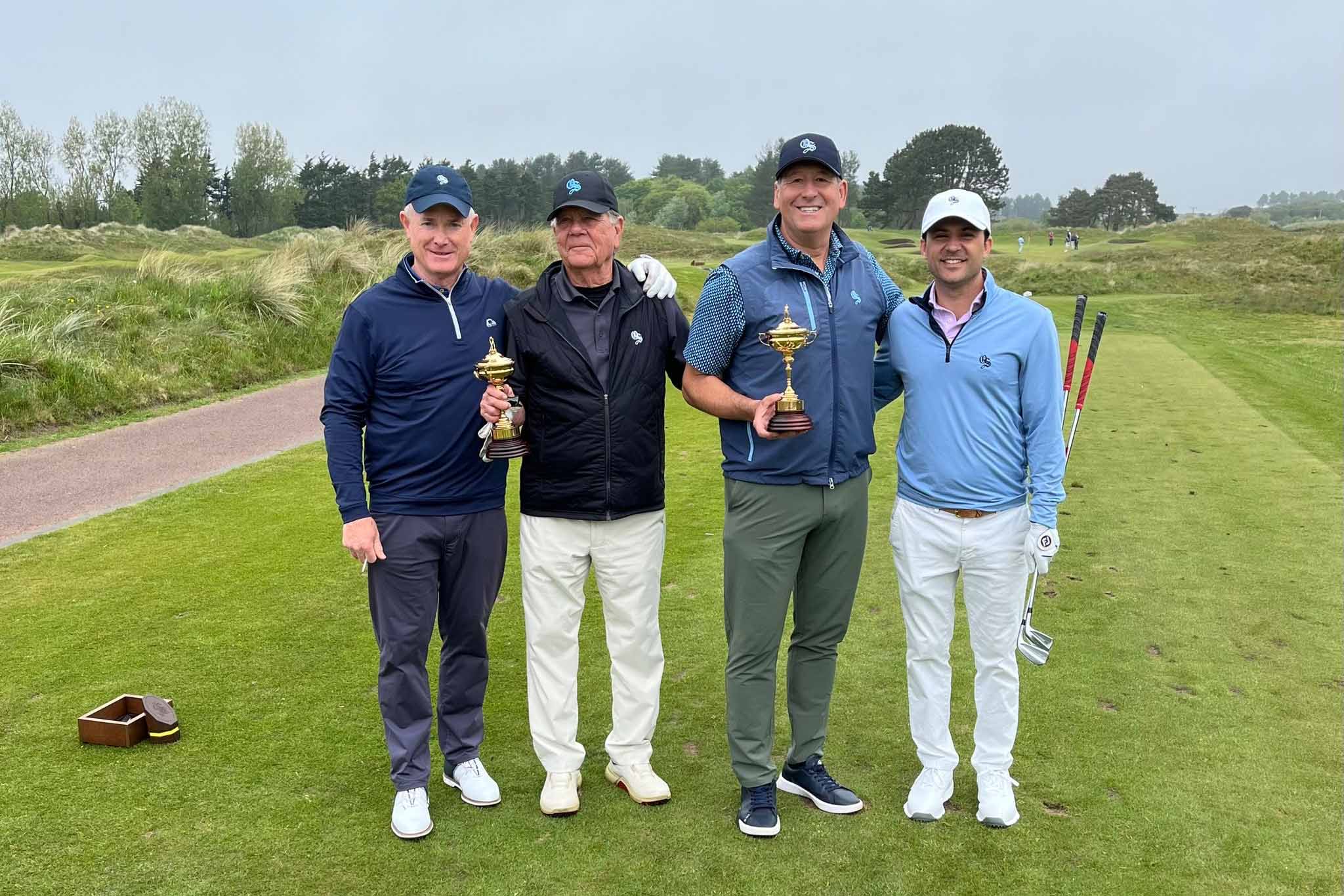
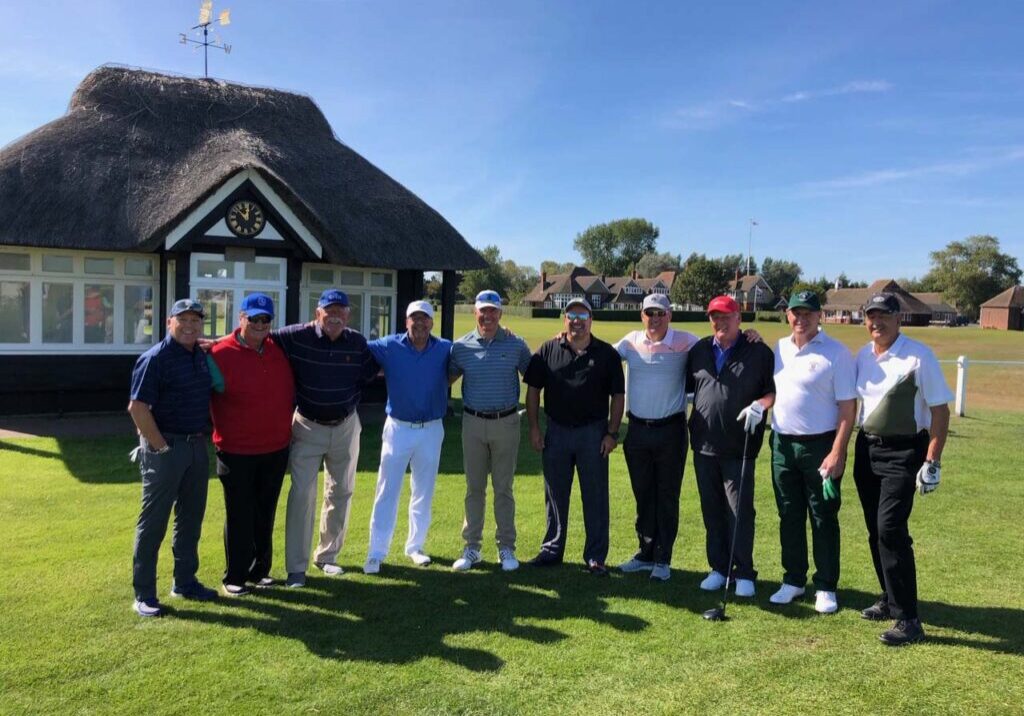
Nick Erlichman, PGA with his Old Sandwich Golf Club members and the Ryder Cup at Southport & Ainsdale.
Southport & Ainsdale Golf Club
Southport & Ainsdale is the one I underestimated.
I knew the Ryder Cup history going in. I did not fully appreciate how good the golf was until I played it. James Braid designed it, and a lot of people consider this one of his finest of the links variety. I’m not going to argue.
The Ryder Cup matches landed at S&A in 1933 and 1937. The 1937 matches, with Walter Hagen captaining for the United States, were the first Ryder Cup victory ever earned by a visiting side on foreign soil.
The thing that surprised me at S&A was the land. The transition from pure links into pine forest, mixed with heather and gorse, is one of my favorite features of any course on the coast. It plays less like a pure links and more like links-meets-heathland. If the wind comes up, and on this coast it usually does, S&A has more bite than you might expect.
S&A also gave another reminder of just how close some of these courses are together. While standing on the 10th green at Hillside, I spotted Royal Birkdale's clubhouse just a short par-4 away. Then on the 16th at S&A, I noticed Hillside on the other side of the railroad tracks that line the right side of the hole. There are very few places in the world where three world-class courses occupy that small of a footprint.
Why the Supporting Cast Matters
“The 2nd tier” is a phrase that's often applied to the courses in play beyond the marquee names of an area. It’s not a phrase we love, because it implies that these courses are... secondary. Instead, we prefer the term "supporting cast," because just like a great movie or Broadway show, the work is judged on the entire piece, not just the headliner.
But what's interesting about golf travel is, more often than not, the supporting cast ends up supplying some of the best experiences of the trip.
On a recent podcast, my colleague D.J. Jones offered his theory on this phenomenon: "You arrive to Muirfield and Royal County Down with expectations. You don't arrive to Kilspindie or Ardglass around the corner with expectations. So the possible upside in terms of the visitor experience is far greater at the lesser known courses."
That theory seems to track on England's Golf Coast. Like most of our Members, I arrived to the three Royals with expectations. And yet, the rounds at West Lancs, Hillside, Formby, and Southport & Ainsdale left just as strong of an impression as their Open rota neighbors.
It's also apparent that the clubs along this stretch push each other to get better. The region has simply decided that a rising tide lifts all boats.
For the clubs on this list, they're well aware that the three Royals have brought you to the area. And those rounds will absolutely deliver. But it's probably the supporting cast that you’ll be talking about on the way home.
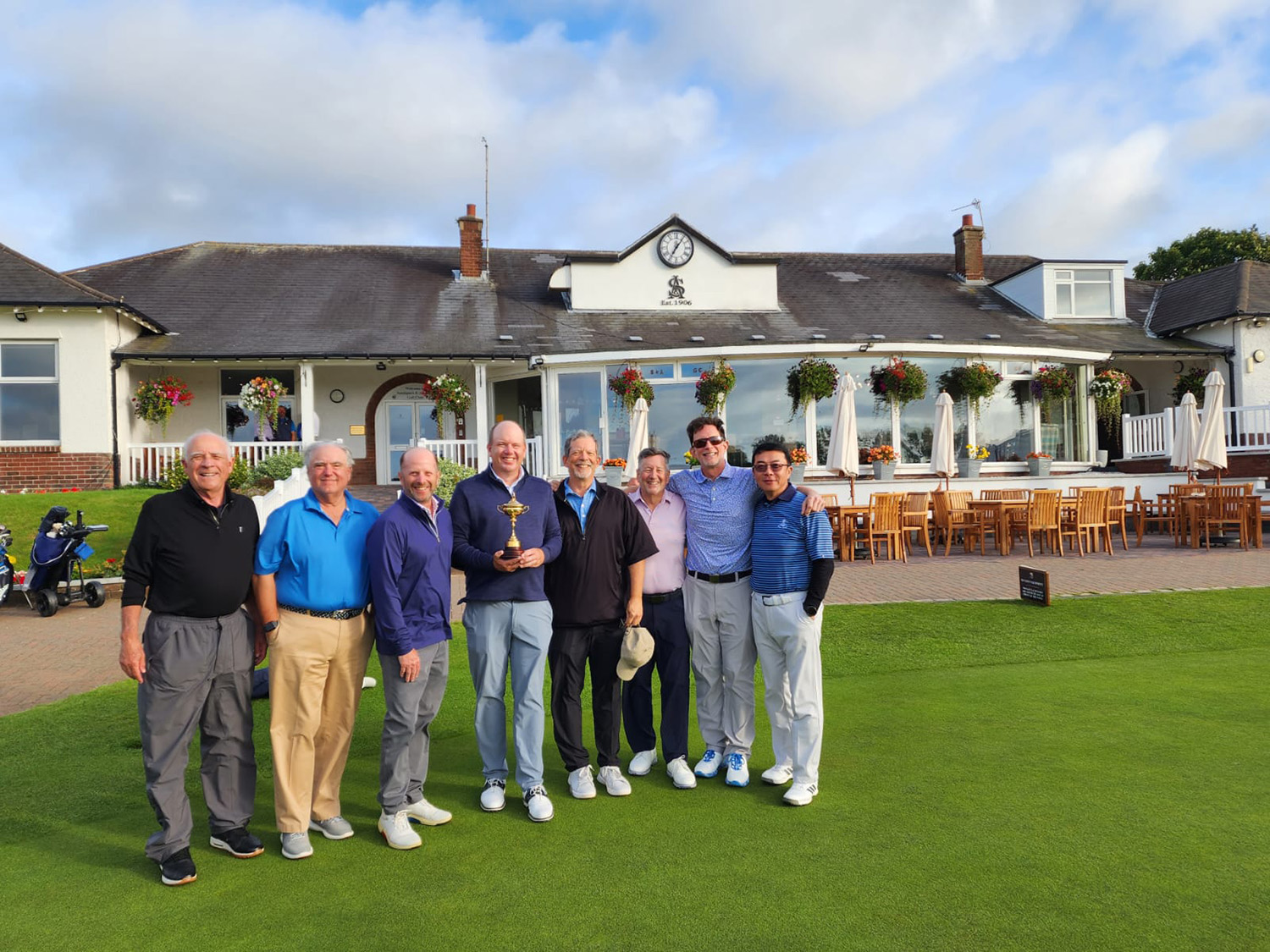
Chris Miller, PGA with his Hillcrest Country Club members and the Ryder Cup at Southport & Ainsdale.
A Note on Planning
Three Open Championships in six years is certainly driving more travelers to England's Golf Coast. The group planning their 2nd or 3rd trip across the pond used to look exclusively to Scotland and Ireland. For many, England is now in the running. And rightfully so.
For a regular-year visit, 8-12 months of lead time is generally enough to assemble a strong itinerary. For visits that overlap with an Open year, plan 12-18 months out, particularly for the host course itself. The host course closes for roughly four to five weeks around an Open Championship. Visits in the months before and after are entirely doable, and many H&B Members have built memorable trips on either side of an Open week.
For logistics, lodging in Southport and Liverpool, regional routing, and how to combine these courses into a workable itinerary, see The Complete Guide to England’s Golf Coast.
Ready to Experience England's Golf Coast?
Frequently Asked Questions
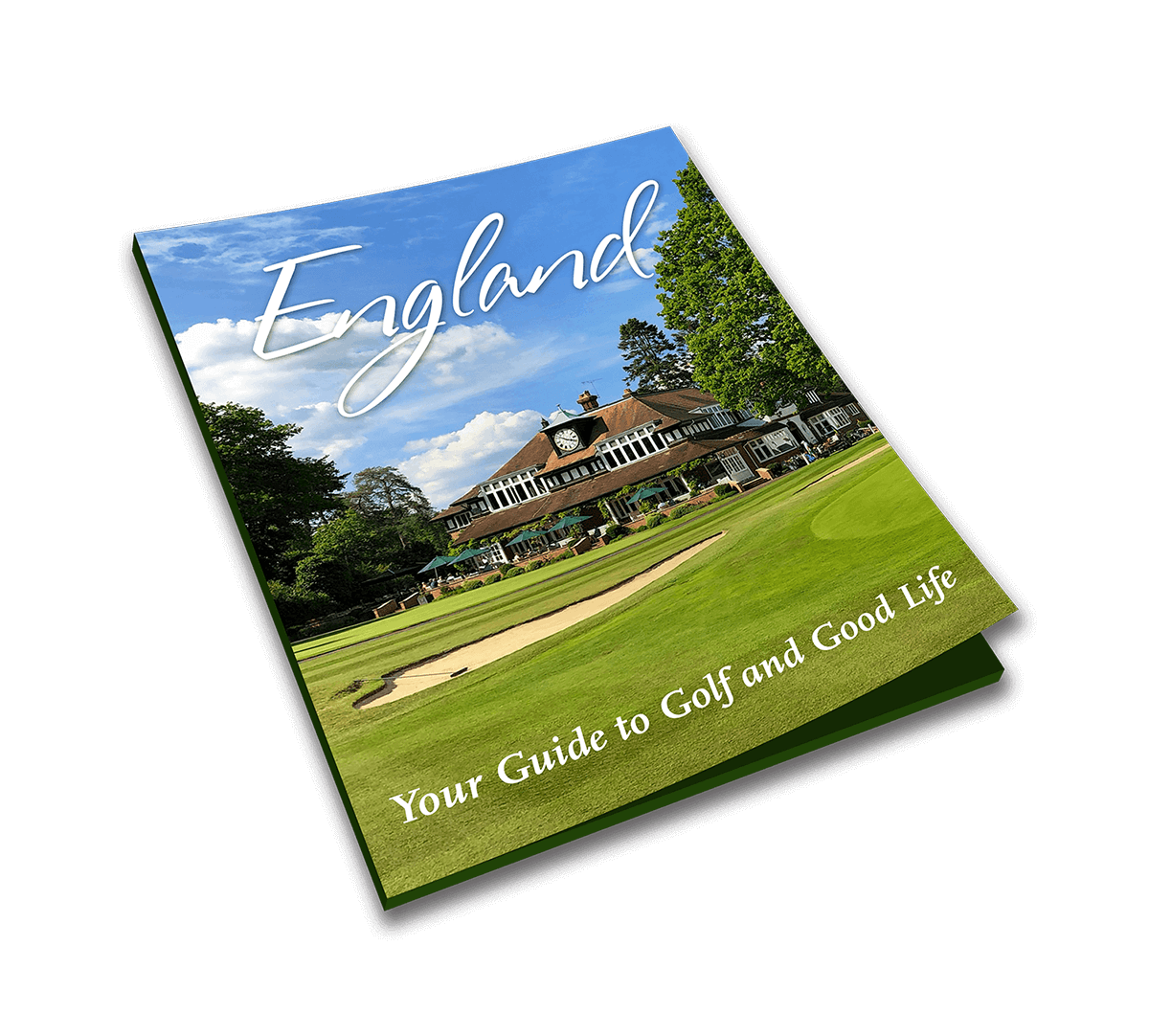
Download Your Ultimate Guide to The English Links
The Complete Guide to
England Golf Travel
What's covered in this free 30+ page guide:
- The best regions for golf in England.
- Tips for making the most of your trip.
- Where to enjoy the Good Life between rounds.
- Lesser known courses you should play.
Plus links to nearly 50 additional guides and resources.
By downloading up you agree to receive marketing communications from Haversham & Baker and have read our privacy policy.
Additional Reading
Ready to Experience England's Golf Coast?
Discover More of Golf at its Finest with H&B